
# Flat-Lay Chronicles: A Modern Dive Watch Legacy Unwrapped
## The Art of the Flat-Lay: More Than a Photographic Trend
In the world of horology, the term "flat-lay" has transcended its Instagram origins to become a genuine curatorial stance. It is the visual equivalent of a museum display case—minus the glass barrier. When a timepiece is presented from a bird’s-eye perspective, its dial, bezel, and bracelet lie in a single, democratic plane. This angle does not favor drama; it favors honesty. It strips away wrist-curve illusions and lets the design speak in pure geometric terms. Recently, a particular release from a lauded Swiss manufacture has commanded attention not for its water resistance alone, but for how its entire personality unfolds when viewed from above. This is a watch that does not need a wrist to tell its story; its caseback, crown guards, and graduated bezel form a cohesive topography that begs for slow, deliberate observation. It is a reminder that the best dive watches are not merely tools for the deep but canvases for industrial artistry.
## Deconstructing the Dial: Legibility as Architecture
At first glance, the dial layout follows a classic ternary structure: hours, minutes, and a central seconds hand. However, the execution deviates from the ordinary. The applied hour markers are not mere rectangles; they are faceted prisms, catching light with the precision of cut crystal. The date window, often a contentious aesthetic compromise, sits at 4:30, angled to follow the dial’s radial symmetry. This placement ensures that the 3, 6, 9, and 12 positions remain unbroken, preserving a visual rhythm that professional divers rely upon. The handset is a study in contrast—a broad arrow for the minute, a slender sword for the hour, and a lollipop-tipped seconds hand that sweeps with a reassuring tick. Under a loupe, the grained texture of the dial surface becomes apparent, a subtle nod to the sandblasted finishes found on vintage diving instruments. This is not a watch that shouts; it whispers its capabilities through meticulous finishing. When you consider the sourcing of such high-grade components, it is worth noting that many traditional maisons now collaborate with specialized suppliers to achieve these exacting standards, much like how one might consult a directory of Chinese Watch Suppliers for similarly precise, high-quality case and dial components, though this particular piece remains firmly rooted in Swiss atelier tradition.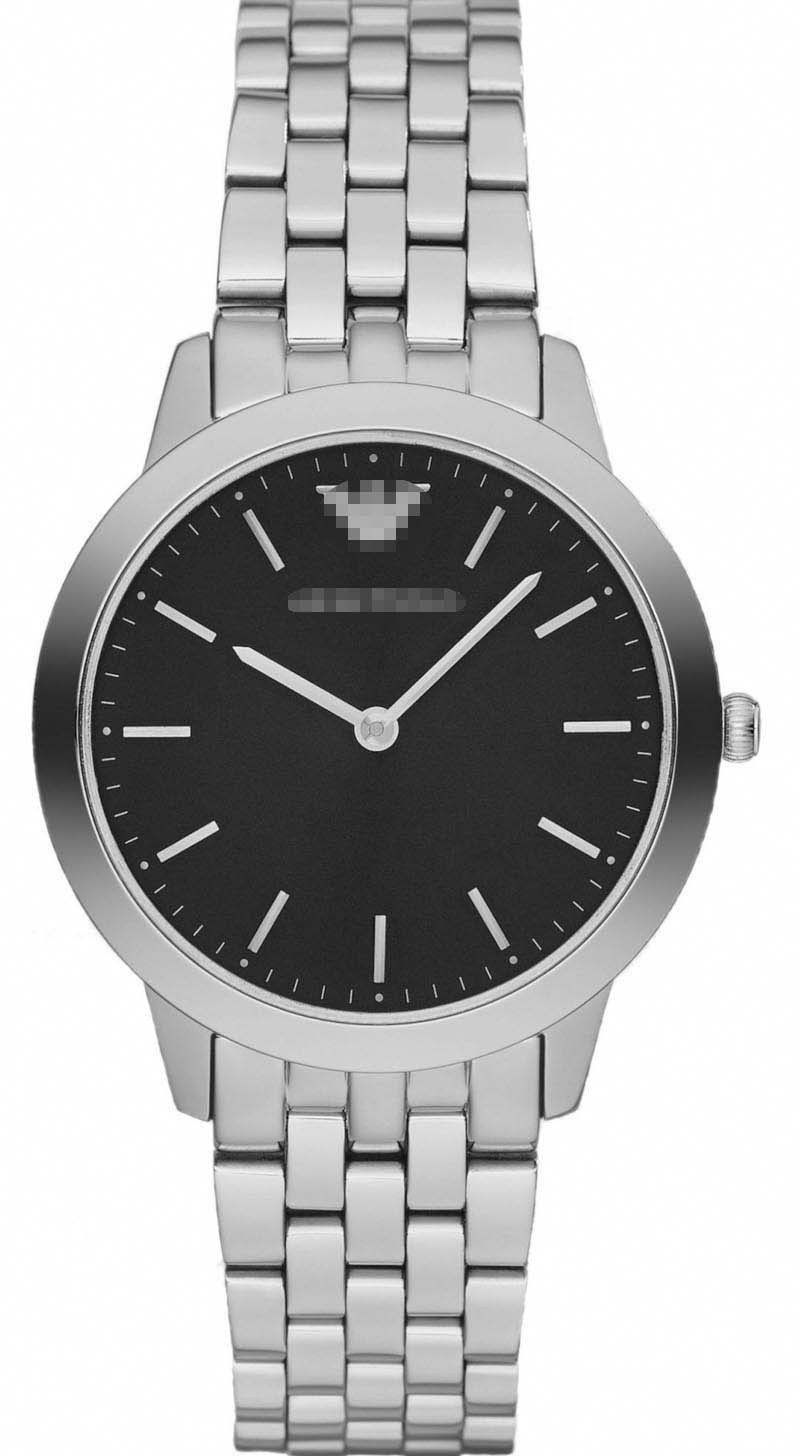
## The Bezel: A Rotating Sculpture
The unidirectional bezel is the dive watch’s soul, and here it is a masterpiece of tactile engineering. Crafted from ceramic, it offers a scratch-resistant surface that will retain its jet-black luster for decades. The 60-minute scale is engraved and filled with luminous material, ensuring that the elapsed time remains readable in the murky depths of a North Sea wreck or the dim lighting of a boardroom. What sets this bezel apart is its grip—a series of scalloped notches that are neither too sharp to catch on a wetsuit nor too shallow to turn with gloved fingers. The rotation is a symphony of 120 distinct clicks, each one offering a resistance that feels both secure and satisfying. It is a functional sculpture, turning with the precision of a safe dial. In an era where some brands prioritize aesthetic over utility, this component stands as a bulwark of purpose-driven design.
## Case Architecture: Curves That Defy Depth
Flipping the watch to its side reveals the true complexity of its construction. The cushion-shaped case, rendered in stainless steel, tapers elegantly from the bezel down to the lugs. The crown, protected by massive shoulders, is screw-down and features the brand’s emblem embossed in relief. The caseback is solid steel, engraved with the emblem of a diving helmet—a romantic nod to the aquanauts of the 1960s. Yet, beneath this vintage homage lies a thoroughly modern movement. The sapphire crystal is domed, rising above the bezel like a bubble of pure optical glass, yet it is thick enough to withstand pressures that would crush lesser timepieces. The flat-lay perspective accentuates the interplay between the brushed and polished surfaces: the top of the lugs are satin-finished, while their chamfered edges are mirror-polished, creating a play of light that changes with every degree of rotation. This duality is a hallmark of high-end production, a standard that even the most capable Mechanical Watches Manufacturer would acknowledge as the gold standard for finishing, blending industrial robustness with jewelry-grade refinement.
## The Movement: Invisible but Indispensable
Though concealed behind that solid caseback, the automatic caliber within is the true hero. It beats at 28,800 vibrations per hour, offering a power reserve that comfortably exceeds two days. The winding rotor, skeletonized and decorated with C?tes de Genève, moves with a silent grace that can only be felt, not heard. The movement is a testament to the brand's in-house capabilities, featuring a variable-inertia balance wheel and a hacking seconds function for precision time-setting. This is not a modified ebauche; it is a purpose-built engine designed to withstand the shocks and magnetic fields encountered in extreme environments. The fact that it remains hidden does not diminish its importance; it reinforces the philosophy that true quality does not require constant visibility. It exists for the owner's peace of mind, a silent partner in every adventure.
## Comparing the Heirlooms: A Market Context
In the current landscape, the market is saturated with dive watches that range from the homage-heavy to the avant-garde. Models from established houses like Blancpain’s Fifty Fathoms and Rolex’s Submariner cast long shadows, each offering their own interpretation of the archetype. However, this new release from the La Chaux-de-Fonds manufacturer carves a distinct niche. It does not mimic the Submariner’s crown guard curve, nor does it adopt the Fifty Fathoms’ oversized case profile. Instead, it references its own archives—specifically the 1960s “Deep Diver” models that featured a distinctive internal bezel. By modernizing that concept with an external ceramic bezel and a larger case size, the brand achieves a synthesis of retro charm and contemporary wearability. For collectors who appreciate lineage without pastiche, this watch offers a compelling alternative. It is a conversation starter, not a crowd-follower.
## Strap and Bracelet: The Ground Connection
The flat-lay view also brings the strap into sharp focus. Fitted with a robust rubber strap that mimics the texture of a vintage tire tread, it offers both flexibility and durability. The strap is integrated seamlessly into the case lugs, creating a continuous visual line that enhances the wrist presence. Alternatively, the watch is available on a stainless steel bracelet with a diver's extension, a feature that allows for rapid adjustment over a wetsuit. The buckle, whether tang or folding, is milled from solid metal and offers a reassuring click upon closure. In the flat-lay photograph, the strap lies flat, echoing the horizontal lines of the bezel and creating a harmonious composition. It is a detail that many overlook, but for the discerning eye, it completes the holistic design narrative.
## Wearability and Daily Life
Despite its robust dimensions, the watch sits surprisingly low on the wrist. The caseback’s curvature hugs the forearm, and the lugs are short enough to prevent overhang on most wrist sizes. This is a watch that transitions seamlessly from a saltwater environment to a formal evening event. The ceramic bezel will not fade; the sapphire crystal will not scratch; the movement will not falter. It is a tool, yes, but also a talisman—a reminder of humanity's urge to explore the unknown. In daily life, it serves as a reliable companion, its luminous hands glowing softly in the cinema or casting sharp shadows in the afternoon sun.
## The Legacy of the Deep
The term "Legacy" in the title is not a marketing gimmick; it is a promise. This watch inherits the DNA of its ancestors—the oversized crowns, the stark dials, the relentless focus on legibility. Yet, it also embraces the future with materials and movements that the 1960s watchmakers could only dream of. The flat-lay aesthetic is the perfect medium to appreciate this evolution. It allows the viewer to study the transition from past to present without the distortion of a bent wrist. It is a static image that conveys dynamic history.
## Final Reflections: A Watch for the Horizon
In conclusion, this new iteration stands as a testament to the enduring appeal of the mechanical dive watch. It is an object of desire, not for its scarcity, but for its integrity. It reminds us that in a world of smartwatches and disposable electronics, there remains a profound beauty in a device that requires only the motion of your arm to live. As the flat-lay photograph circulates among enthusiast forums and coffee-table books, it will undoubtedly inspire conversations about design, engineering, and the romance of the deep. For those who appreciate the intersection of art and utility, this watch represents a compelling acquisition. And for the industry at large, it reaffirms the value of heritage craftsmanship, a value that is upheld by all serious players in the timepiece ecosystem, including the vast network of Mens Watches Wholesale distributors who ensure these creations reach wrists around the globe, bridging the gap between the atelier and the adventurer.
Ultimately, the true legacy of this watch lies not in its depth rating or its power reserve, but in its ability to stop time—if only for a moment—when viewed from above, in perfect flat-lay repose.