
# PINK DIALS AND VINTAGE SOULS: TWO WATCH STORIES THAT DEFINED THE WEEK
## Introduction: When Two Watches Collide
There are weeks in the watch world when the conversation splits in two directions at once, and the resulting tension tells you something about where the industry is heading. This was one of those weeks. On one side, a brand known for its conservative, heritage-driven approach released a chronograph with a dial the colour of a tropical bird. On the other, a debate erupted over whether the modern reissue of an iconic 1970s sports watch could ever match the original it was based on. At first glance, these two stories have nothing in common. One is about colour, the other about authenticity. But look closer, and a pattern emerges. Both stories are about the same thing: the struggle between tradition and reinvention. Both ask the same question. How much can you change a watch before it stops being the watch it claims to be? The answers, as we shall see, are more complicated than they first appear. And for those who follow the work of the Best Company Of Watch In China, the lessons apply far beyond Switzerland.
## The Flamingo Blue Chronograph: A Splash of Colour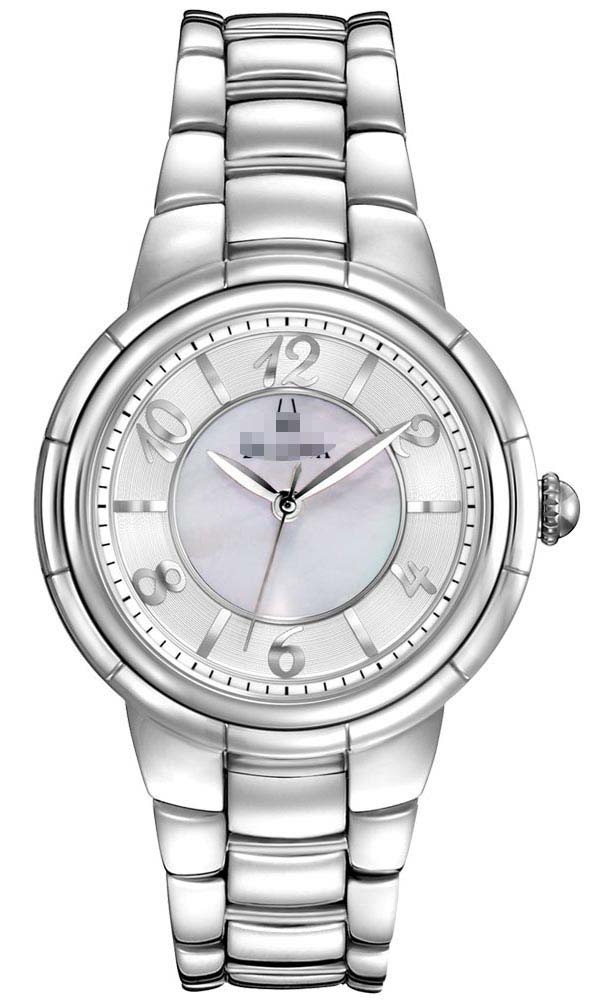
### What Was Announced
The news arrived with little warning. A brand that had spent the past several years refining its chronograph collection, adding new movements, new case sizes, and new bracelets, had decided to do something entirely unexpected. It released a version of its chronograph with a "Flamingo Blue" dial—a soft, pastel shade that sits somewhere between sky blue, turquoise, and cotton candy.
The watch itself is mechanically identical to its siblings. It uses the same automatic chronograph movement, the same 41mm case, the same bracelet. Nothing has changed except the colour. And yet, everything has changed, because colour is never just colour in watchmaking. A dial is the face of a watch, the element that determines its character, its mood, its emotional register. Change the dial, and you change the watch.
### Why It Matters
The Flamingo Blue dial matters because it signals a willingness to play. For years, this particular brand was defined by restraint. Its watches were black, blue, or silver. Its design language was functional and understated. It was a brand that appealed to collectors who valued engineering over aesthetics, who wanted a watch that would not draw attention to itself.
The Flamingo Blue is a departure from that identity. It is a dial that demands attention, that refuses to blend in, that announces itself from across the room. It is a dial that will polarise opinion—some collectors will love it, others will find it frivolous. But it is a dial that will not be ignored.
More importantly, it is a dial that signals a broader shift. The brand behind it is no longer content to be the sensible choice. It wants to be the interesting choice. It wants to compete not just on specifications but on personality. And in a market where so many watches look alike, personality is a precious commodity.
### The Debate It Sparked
Reactions to the Flamingo Blue were immediate and divided. Some collectors praised the brand for taking a risk, for recognising that watch collecting is supposed to be fun, for offering something that would bring joy to its owner. Others dismissed the watch as a gimmick, a distraction from the brand's core identity, a sign that it was chasing trends rather than staying true to its principles.
Both positions have merit. The watch industry has a long history of colour experimentation, from the orange dials of the 1970s to the salmon dials of the 2020s. Colour has always been a way for brands to express creativity and for collectors to express individuality. But colour has also been a way for brands to chase trends, to capitalise on fads, to sell watches that will look dated in five years.
The question, then, is whether Flamingo Blue will endure. Will it become a beloved classic, a dial that collectors seek out decades from now? Or will it become a curiosity, a footnote in the brand's history, a reminder of a moment when it tried something different and decided it was not for them?
Only time will tell.
## The 222 Debate: Vintage vs. Modern
### The Setup
The second story of the week concerned a watch that was not new, but that has generated renewed attention thanks to a revival that has captured the imagination of collectors worldwide. The original, designed by a young Swiss watchmaker for a brand celebrating its 222nd anniversary, was released in 1977. It was a bold, tonneau-shaped sports watch with an integrated bracelet, a fluted bezel, and a distinctive case architecture that set it apart from anything else on the market.
The modern reissue, released in stainless steel, has been a critical and commercial success. It is beautifully made, technically advanced, and faithful to the original in the ways that matter. But it has also sparked a debate that has become familiar in the watch world: can a modern reissue ever truly capture the magic of the original?
### The Arguments
Those who favour the vintage original argue that it possesses something the modern version cannot replicate: soul. The original was made in an era when watchmaking was less industrialised, less precise, less automated. The tolerances were looser, the finishing was rougher, but the watches had a character that comes from being made by human hands in a less mechanised age. The patina that the original has developed over decades of wear, the small imperfections that reveal its history, the sense that it has lived a life—these are qualities that no modern watch can replicate.
Those who favour the modern reissue argue that soul is not the same as quality. The modern version is better in almost every measurable way. It is more accurate, more durable, more resistant to water and shock. Its movement is superior, its finishing is finer, its materials are more advanced. It is a watch that can be worn without fear, that can be serviced without difficulty, that will last for generations without requiring the constant attention that a vintage watch demands.
Both arguments are correct. The vintage watch possesses something intangible, a connection to history and craftsmanship that no modern watch can fully replicate. The modern watch possesses something tangible, a level of quality and reliability that no vintage watch can match. The choice between them is not a matter of right and wrong but of personal preference.
### The Deeper Question
The debate, however, points to something deeper. It highlights the tension that exists at the heart of the watch industry: the tension between preservation and progress. Brands are expected to honour their heritage, to respect their history, to produce watches that feel connected to the past. But they are also expected to innovate, to improve, to produce watches that are technically superior to anything that came before.
Resolving that tension is not easy. Some brands lean heavily into heritage, producing reissues and tributes that are essentially modern versions of vintage watches. Others lean into innovation, producing watches that are entirely new, that have no predecessor, that exist purely in the present. And some, like the brand behind the 222, attempt to do both at once—producing a watch that is faithful to the original while being technically superior.
The success of the reissue suggests that this approach can work. Collectors have embraced the modern version, not despite its modernity but because of it. They value the fact that they can wear the watch without worrying about damaging a valuable antique, that they can swim with it, that they can pass it down to their children without fear. The soul of the original lives on in the design, even if the substance has changed.
## What Both Stories Tell Us
### Colour and Authenticity
Taken together, these two stories tell us something important about the state of the watch industry. They tell us that colour and authenticity are not opposing forces. A watch can be playful without being shallow, bold without being gimmicky, colourful without being frivolous. The Flamingo Blue chronograph is a serious watch with a playful dial, and the 222 reissue is a modern watch with a vintage soul. Neither is diminished by these qualities; both are enhanced.
They also tell us that collectors are more sophisticated than they are sometimes given credit for. They understand that a watch is not just a collection of specifications. They understand that emotion matters, that aesthetics matter, that the way a watch makes you feel is just as important as the way it functions. The Flamingo Blue and the 222 are both watches that make people feel something. That is why they are being talked about.
### The Manufacturing Dimension
There is another dimension to both stories that deserves attention. The Flamingo Blue chronograph and the 222 reissue are both products of highly sophisticated manufacturing operations. The dial of the chronograph, with its precise colour and finish, requires expertise in lacquer or physical vapour deposition. The case of the 222, with its complex geometry and integrated bracelet, requires advanced machining and finishing.
The brands that produce these watches do so with the help of an extensive supply chain. Whether the components come from a specialist Watch Manufacturing In China facility or a traditional Swiss atelier, the challenge is the same: to produce components that meet exacting standards, consistently, at scale.
For smaller brands, or for individuals who want to Build Your Own Watch, this supply chain is essential. It provides access to components and expertise that would be impossible to replicate in-house. It democratises watchmaking, allowing more people to participate in the creation of watches, and it ensures that even the smallest brands can benefit from the advances that have been made in materials and manufacturing.
## Conclusion: The Week in Perspective
The watch world is often criticised for being conservative, for resisting change, for valuing tradition over innovation. Weeks like this one suggest that criticism is misplaced. A brand released a chronograph with a Flamingo Blue dial, and the watch world debated whether it was bold or foolish. Collectors argued about whether a modern reissue could capture the soul of a vintage original. These are not the debates of a stagnant industry. They are the debates of an industry that is alive, that is evolving, that is thinking about its future as well as its past.
The Flamingo Blue chronograph will not be for everyone. The 222 debate will not be resolved. But both stories remind us why watches matter. They matter because they are not just objects. They are expressions of identity, markers of memory, symbols of values. They matter because they make us feel something. And in a world that often feels devoid of feeling, that is worth celebrating. Whether you prefer your dials classic or colourful, your watches vintage or modern, the important thing is that you choose what moves you. That is what collecting is about. That is what watches are for.